What Is Interventional Psychiatry?
Interventional psychiatry is the practice of psychiatry in which the psychiatrist's clinical judgment is integrated with direct procedural delivery or oversight, requiring real-time clinical decision-making about a patient undergoing a specialized treatment beyond standard consultation and prescription.
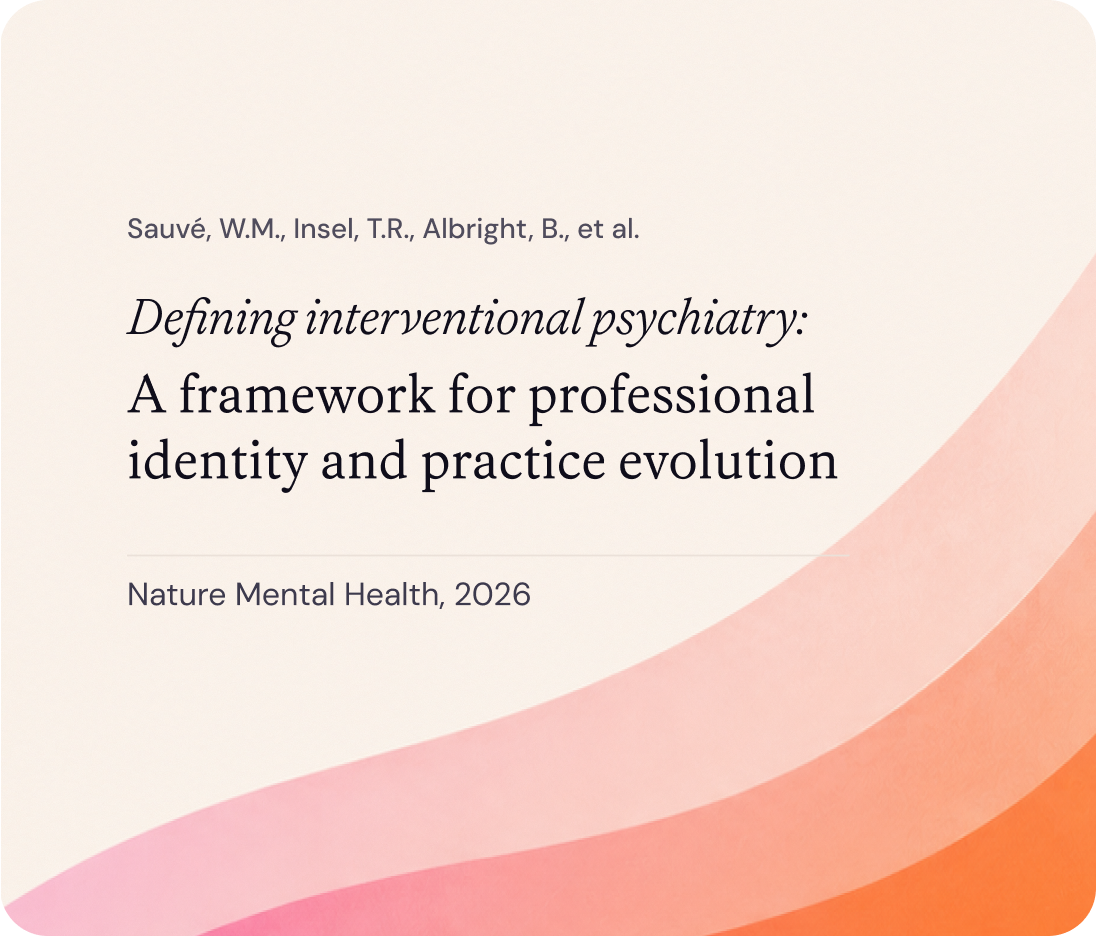
The Journey of Interventional Psychiatry
From the couch to the clinic: the path of a transforming field. Interventional psychiatry is the integration of clinical judgment and direct procedural delivery, beyond standard consultation and prescription.
The People who defined the field
Nine authors, three vantage points: clinicians, drug developers, and researchers/educators.
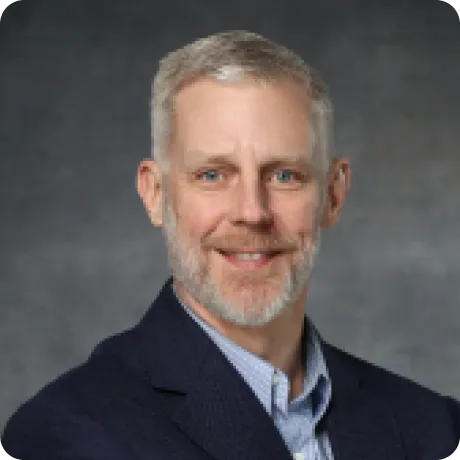
William M. Sauvé, MD
Chief Medical Officer at Osmind and early pioneer in TMS.
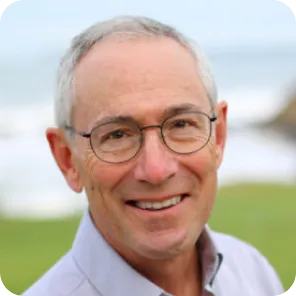
Thomas R. Insel, MD
Former Director of the National Institute of Mental Health.
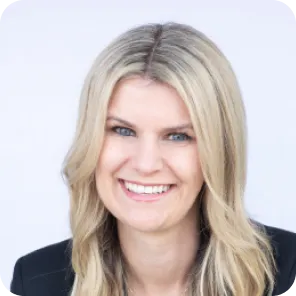
Brittany Albright, MD, MPH
Nationally recognized clinician and educator in esketamine and interventional practice.
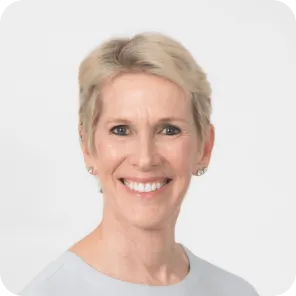
Martha Koo, MD
One of the longest-practicing TMS clinicians in the country; past president of the Clinical TMS Society.
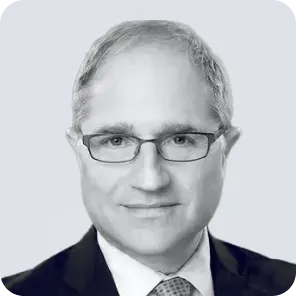
Robert M. Berman, MD
Co-founder and former Chief Medical Officer of Biohaven Pharmaceuticals. Led the first controlled study of ketamine's antidepressant effects.
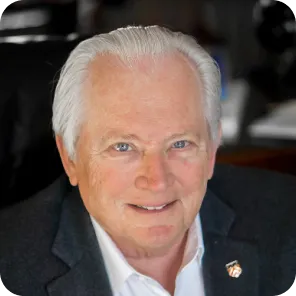
Stephen Stahl, MD, PhD
World-renowned researcher and educator; author of Stahl's Essential Psychopharmacology, the textbook a generation of psychiatrists trained on.

Husseini Manji, MD
Former global head of neuroscience R&D at Johnson & Johnson, where esketamine (SPRAVATO®) was developed.
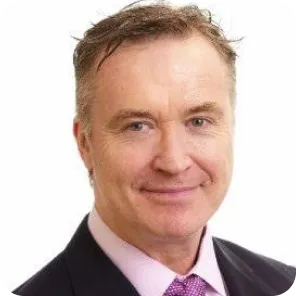
Roger S. McIntyre, MD
Internationally renowned researcher and educator. Among the most-cited scientists in psychiatry.

Jimmy J. Qian
Co-founder of Osmind, which serves 1,000+ psychiatry practices nationwide.
Hear why this moment matters from the authors:

70% of depression & anxiety treatments are prescribed in primary care
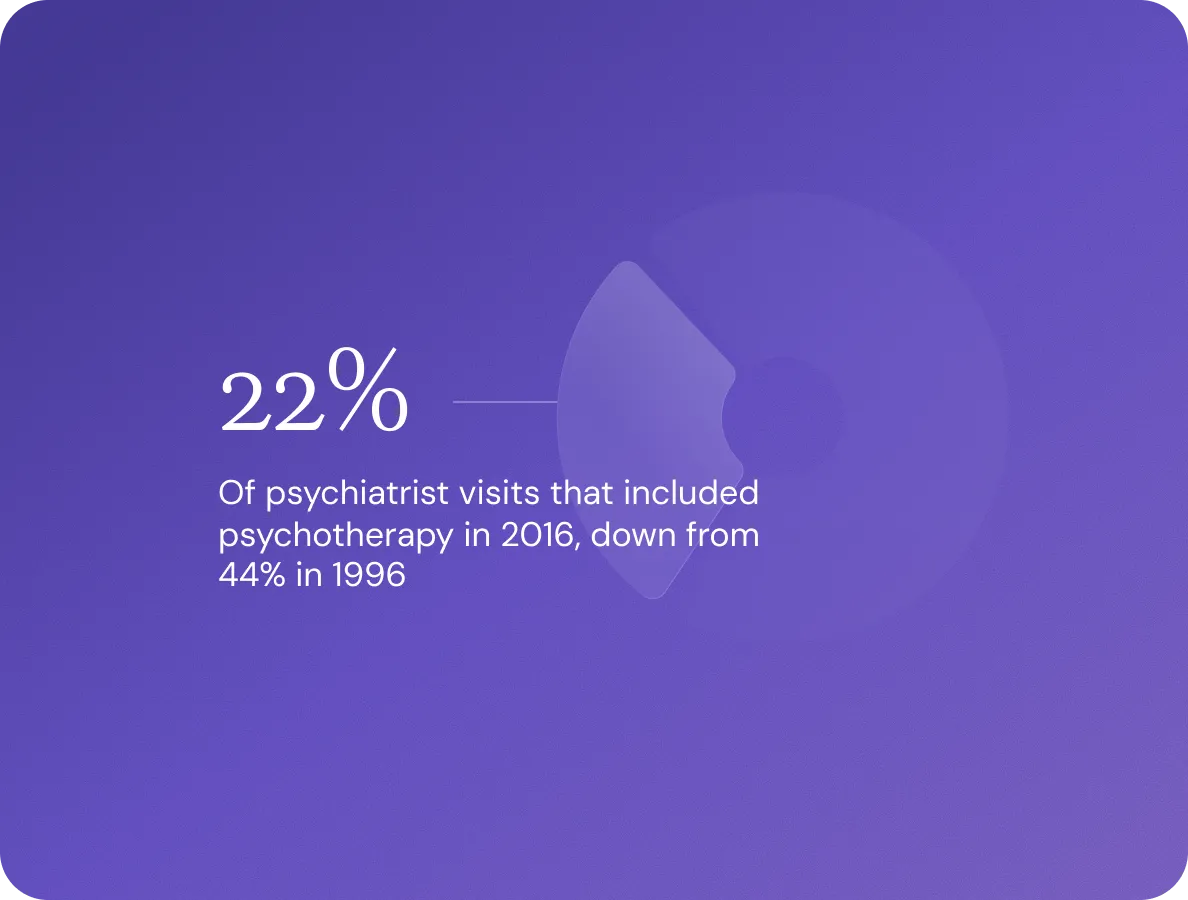
Between 1996 and 2016, psychotherapy among psychiatrists fell by half – to just 21.6% of visits. Economic pressure has narrowed much of the specialty toward brief medication management: the one service primary care already delivers at scale.
Interventional psychiatry offers a path through that impasse. It pulls psychiatrists back into the room – performing procedures, managing acute states, taking ownership of outcomes that medication management alone cannot reach.
The pattern has precedent. Before the 1970s, cardiologists diagnosed, managed medications, and referred patients to surgeons – until Andreas Grüntzig performed the first coronary angioplasty in 1977. The approach met early resistance. Twenty-two years later, it had dedicated fellowship training and formal subspecialty recognition. Interventional psychiatry is at roughly the same point on that road.
What makes it interventional psychiatry isn't the procedure.
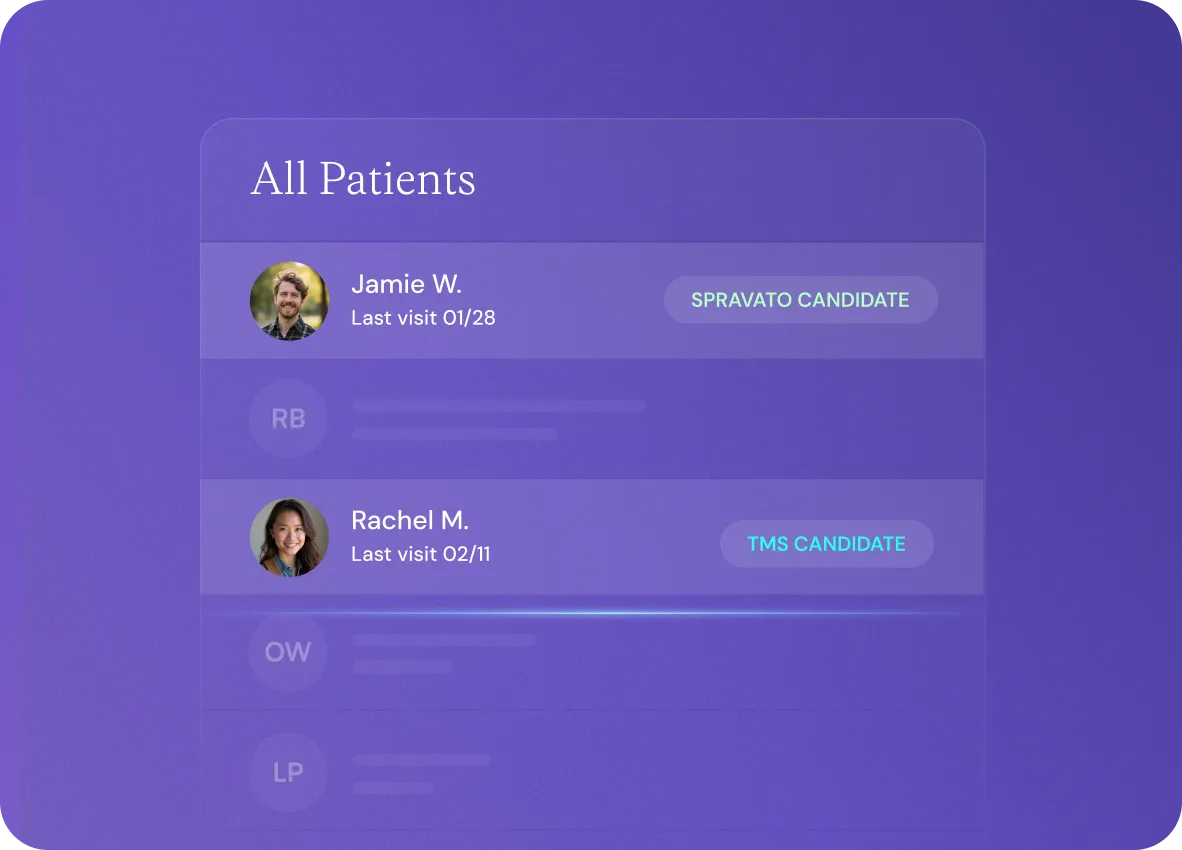
An anesthesiologist, a nurse, or trained staff could physically administer many of these treatments.
What makes a treatment part of interventional psychiatry is not the procedure itself but the psychiatrist's clinical ownership of the case: identifying which patients are appropriate, designing the protocol around the patient's psychiatric and medical context, managing the psychiatric state during and after the procedure, and integrating it into a longitudinal treatment plan.
“Interventional” distinguishes this practice from other psychiatric and mental health care, while “psychiatry” distinguishes it from procedural work performed without the training to select patients, manage their psychiatric state, and direct their aftercare.
What treatments in psychiatry are considered “interventional”?
Treatment
FDA status
In scope?
PERFORMED IN AN AMBULATORY INTERVENTIONAL PSYCHIATRY CLINIC
Electroconvulsive therapy (ECT)
FDA-cleared
MDD/bipolar depressive episode, catatonia

Yes
Transcranial magnetic stimulation (TMS)
FDA-cleared
MDD, OCD, anxious depression, smoking cessation
Yes
Intranasal esketamine (Spravato)
FDA-approved · REMS
TRD, MDD with suicidal ideation
Yes
Ketamine (IV, IM)
Off-label
TRD, MDD with suicidal ideation
Yes
Sublingual / buccal dexmedetomidine
FDA-approved
Acute agitation in schizophrenia, bipolar I/II
Yes
Nitrous oxide inhalation
Investigational
Yes
Focused ultrasound neuromodulation
Investigational
Yes
Psychedelic treatments
Investigational
Yes
MANAGED IN CLINIC AFTER SURGICAL IMPLANTATION — THE SURGERY ISN'T PSYCHIATRY, BUT THE EVALUATION, REFERRAL, AND PROGRAMMING ARE
Deep brain stimulation (programming)
Approved · HDE (OCD)
Investigational for other indications
Yes
Vagus nerve stimulation (programming)
FDA-approved
Treatment-resistant depression
Yes
MANAGED IN CLINIC AFTER SURGICAL IMPLANTATION — THE SURGERY ISN'T PSYCHIATRY, BUT THE EVALUATION, REFERRAL, AND PROGRAMMING ARE
Ketamine (sublingual, oral)
Yes if supervised; no for unsupervised at-home dosing
Off-label
Depends
Medication-assisted treatment (MAT)
Yes when given in-house with post-administration monitoring
FDA-approved
Treatment-resistant depression
Depends
Stellate ganglion block
Yes if performed in the psychiatry clinic under supervision
Investigational
Depends
Botulinum toxin injection
Yes if by or under a psychiatrist in the practice
Off-label
Depends
Home-based neuromodulation (tDCS)
Yes if prescribed with psychiatric oversight
FDA-approved (MDD)
Depends
GENERALLY OUTSIDE THE DEFINITION
Prescription digital therapeutics
Exception: those requiring in-office training and monitoring
FDA-cleared
Generally no
Long-acting injectables
No real-time psychiatric decision-making during a procedure
FDA-approved
Treatment-resistant depression
Generally no
Neuroplastogens (non-hallucinogenic)
A prescription the patient uses without additional management
Investigational
No
Frequently asked questions about Interventional Psychiatry
How does interventional psychiatry differ from traditional psychiatric treatment?

Traditional psychiatric treatment centers on consultation, diagnosis, and medication management. Interventional psychiatry adds direct procedural delivery or oversight – where the psychiatrist manages the patient's psychiatric state in real time, before, during, and after the procedure.
What treatments does interventional psychiatry include?
ECT and TMS (both FDA-cleared), intranasal esketamine (Spravato, approved under a REMS), IV ketamine, deep brain and vagus nerve stimulation programming, and emerging investigational psychedelic treatments.
Who should consider seeing an interventional psychiatrist?
Patients with moderate to severe or treatment-resistant conditions who haven't responded to standard medication management are the most common candidates.
Why do interventional psychiatry treatments work when standard antidepressants haven't?
Because they act through different mechanisms. Standard antidepressants work on monoamine systems, taken daily over weeks. Interventional treatments use direct neuromodulation — TMS, DBS, VNS — or rapid-acting agents like ketamine and esketamine, often on a faster timeline. Response to one approach doesn't predict response to another, which is why non-response to medication isn't the end of the algorithm.
What training do interventional psychiatrists receive?
The paper proposes stratifying training by procedural risk and technical skill rather than imposing one certification – drawing on fellowships, workshops, mentorship, and experience-based routes, with accountability through institutional credentialing.
Where is the field headed?
The field is moving toward clearer procedural identity, staged and risk-based credentialing, and an expanding treatment set as psychedelics mature. Through our collaboration with Compass Pathways, Osmind is developing psychedelic preparedness materials for practices; access them free by completing this quick survey.
What you can do next
The field is expanding faster than its infrastructure. Every new modality brings its own protocol, monitoring model, documentation burden, and reimbursement puzzle. Osmind builds the infrastructure to help you run them.


If you, or someone you know, is in crisis or needs immediate assistance, please call 911 immediately. To talk to someone now, please call the National Suicide Prevention Lifeline at 1-800-273-8255 or 988.
Osmind © 2026 All Rights Reserved.